See how clients are engaging between sessions
Review client activity and completed work across the therapeutic resources you’ve shared – all through a secure clinician dashboard.
Turn homework into meaningful clinical insight
Homework is most valuable when it informs what happens next.
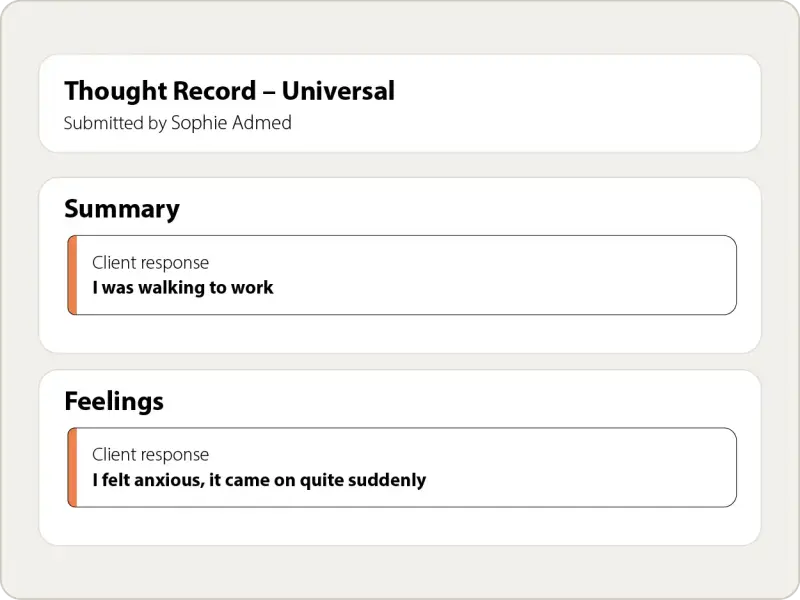
Instead of starting a session by asking whether a worksheet was completed, you can review what your client worked on, what they found helpful, and where they encountered difficulties.
Activity tracking helps bring between-session work into the therapy room, making it easier to build on progress, explore obstacles, and focus sessions where they are needed most.
See how clients engage with shared resources
The Psychology Tools dashboard provides a clear overview of client activity across your caseload.
Therapists can:
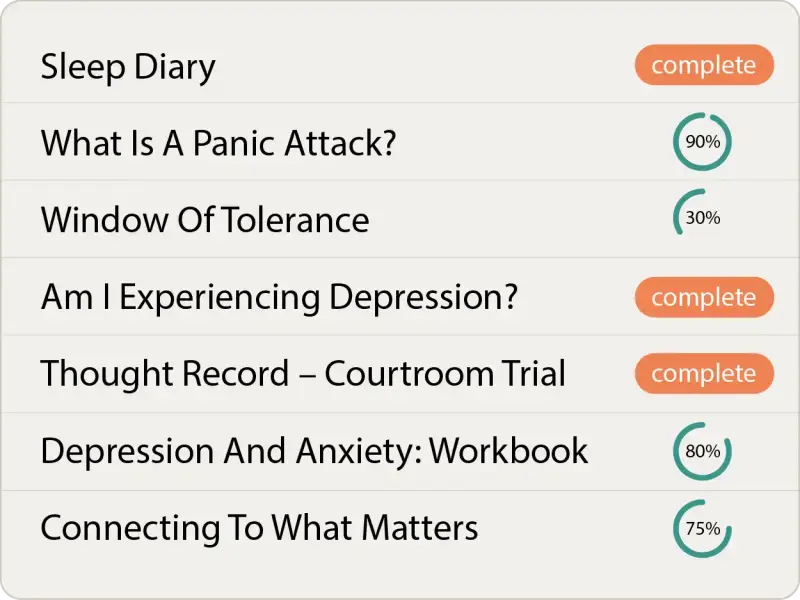
Review assigned resources.
See when clients access materials.
View completed worksheets and submissions.
Monitor engagement with exercises.
Track progress through assigned resources.
This visibility helps you stay connected to therapeutic work between sessions without creating additional administrative burden.
Prepare better sessions
When you understand what happened during the week, you can spend less time gathering information and more time working therapeutically.
Activity Tracking helps therapists:
Identify priorities before sessions begin.
Focus discussions on important themes.
Reinforce progress and effort.
Explore barriers to engagement.
Adjust interventions when needed.
The result is more focused conversations and better-informed therapy sessions.

Keep track across your caseload
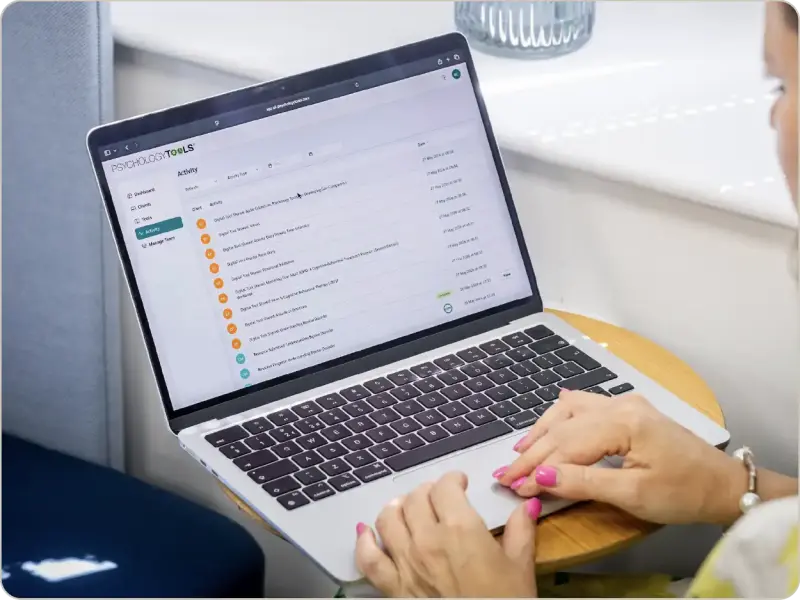
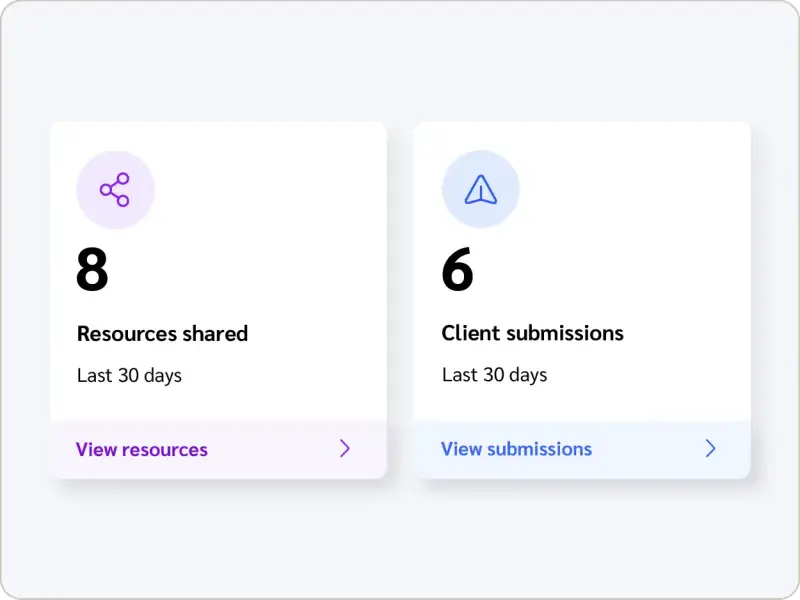
The therapist dashboard provides a clear overview of assigned resources, client engagement, and completed submissions.
At a glance, you can see:
Which resources have been assigned.
Which activities remain incomplete.
Which clients have engaged recently.
Which submissions are available for review.
This gives you a clearer record of each client’s therapeutic work, reduces administrative friction, and helps you stay organised across your caseload.
Encourage meaningful engagement between sessions
Research consistently demonstrates that engagement with therapeutic activities is associated with improved outcomes.
By making homework, skills practice, and resource engagement visible, activity tracking helps therapists and clients stay connected to the work happening between appointments.
Frequently asked questions
What can I see in the Activity dashboard?
You can review assigned resources, completed submissions, client activity, and engagement with therapeutic exercises.
Can I review completed worksheets?
Yes. Completed worksheet submissions can be reviewed through the therapist dashboard.
Can I see when clients access resources?
Yes. Activity tracking provides visibility into client engagement with assigned materials.
Does activity tracking work with homework assignments?
Yes. Activity tracking is designed to help therapists review and discuss between-session work.
Can I monitor activity across multiple clients?
Yes. The dashboard provides a caseload-level view of client activity and engagement.
Gain a clearer picture of client progress
Stay connected to the work clients are doing between sessions and gain valuable insight into engagement, progress, and barriers to change.