Deliver effective therapy across language barriers
Give clients therapy materials they can read, understand, and use in their preferred language. Psychology Tools includes more than 3,500 professionally translated therapy resources in 70+ languages, helping clinicians deliver evidence-based interventions to multilingual clients with confidence.
Help every client understand their therapy
Therapy works best when clients understand what they’re learning and why it matters.
Translated resources help clients engage with therapeutic concepts, complete homework, practice skills between sessions, and participate more actively in treatment.
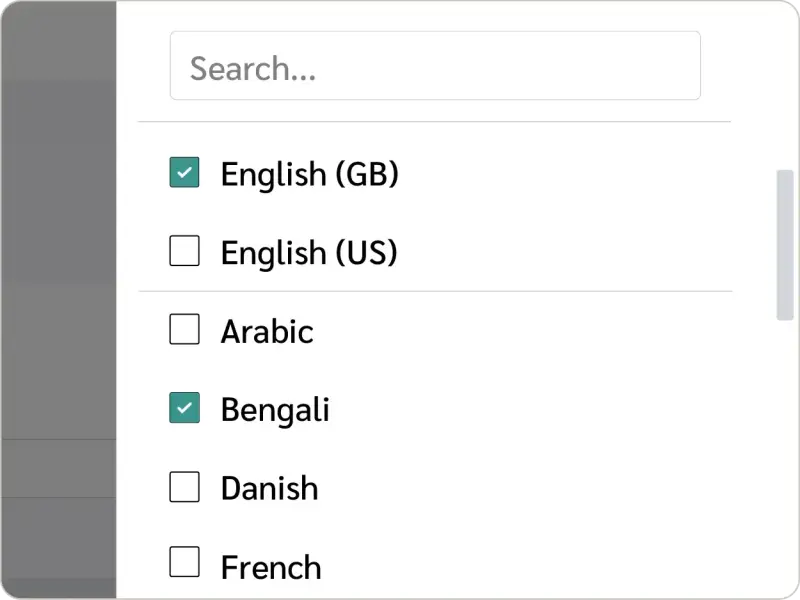
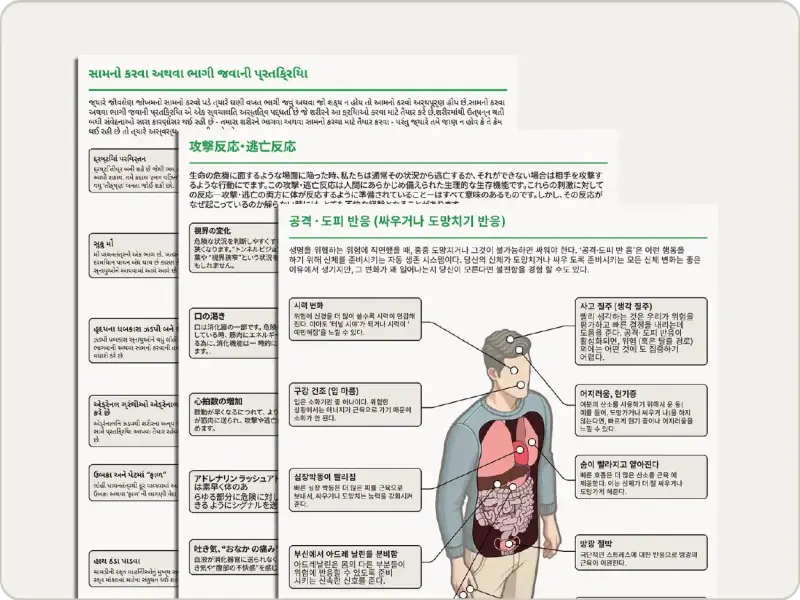
Discuss the same worksheet, even in different languages
Every translated Psychology Tools resource matches the English version exactly.
That means the same:
Structure
Diagrams
Layout
Pagination
Therapeutic content
You can use the English version while your client uses the translated version, confident that you’re both working from the same material.
Professionally translated for clinical practice
Resources are translated specifically for therapeutic use, helping preserve clinical meaning, clarity, and consistency across languages. Whether you’re supporting multilingual clients, international students, refugees, migrants, or diverse communities, translated resources help make therapy more accessible and inclusive.

Frequently asked questions
How many translated resources are available?
Psychology Tools includes more than 3,500 translated resources.
How many languages are supported?
Resources are available in more than 70 languages, with new translations added regularly.
Do translated resources match the English versions?
Yes. Translated resources mirror the English originals, including layout, diagrams, pagination, and therapeutic content.
What types of resources are translated?
Translations are available for worksheets, handouts, guides, psychoeducation, and other therapy resources.
Can I share translated resources with clients?
Yes. Translated resources can be used and shared in accordance with your subscription licence.
Support multilingual therapy with confidence
Help clients understand therapy, engage with treatment, and make meaningful progress using professionally translated resources in more than 70 languages.