What Is Depression?
Signs and Symptoms of Depression
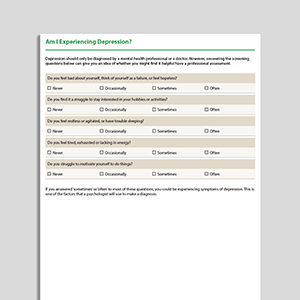
To meet DSM-5 diagnostic criteria for major depressive disorder an individual must have experienced five of the following symptoms for at least two weeks:
a depressed mood that is present most of the day, nearly every day
diminished interest in activities which were previously experienced as pleasurable
fatigue or a loss of energy
sleep disturbance (insomnia or hypersomnia)
feelings of worthlessness, self-reproach, or excessive guilt
a diminished ability to think or concentrate, or indecisiveness
recurrent thoughts of death or suicide, or suicidal behavior
changes in appetite marked by a corresponding weight change
psychomotor agitation or retardation to a degree which is observable by others
Psychological Models and Theory of Depression
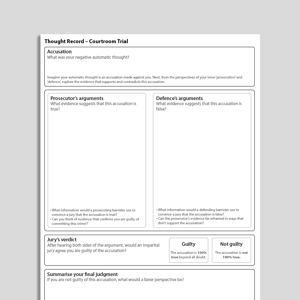
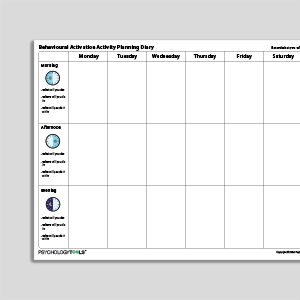
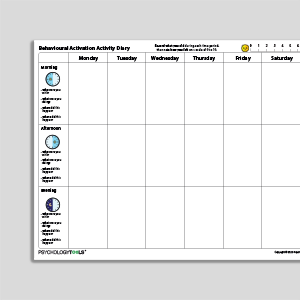
Beck’s cognitive theory of depression (Beck, Rush, Shaw, & Emery, 1979) forms the basis for cognitive behavioral approaches for the treatment of depression. Beck’s theory proposes that there are different levels of cognition that can be dysfunctional in depression: core beliefs, rules and assumptions, and negative automatic thoughts. CBT aims to balance negatively biased cognition with more rational and accurate thoughts, beliefs, and assumptions. CBT also systematically aims to increase levels of rewarding activity.Acceptance and commitment therapy (ACT) proposes that distress, including symptoms of depression, are the result of psychological inflexibility (Hayes, Luoma, Bond, Masuda, & Lillis, 2006). Indicators of psychological inflexibility include:
‘buying in’ to negative thoughts and narratives;
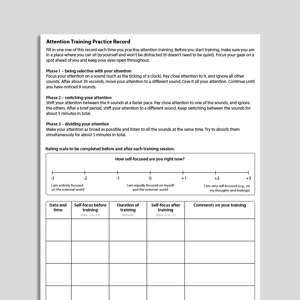
engaging in worry or rumination that takes us away from the present moment;
losing contact with our values—what is important to us.
Evidence-Based Psychological Approaches for Working with Depression
Many psychological therapies have an evidence base for working with depression:
Resources for Working with Depression
Psychology Tools resources available for working therapeutically with depression may include:
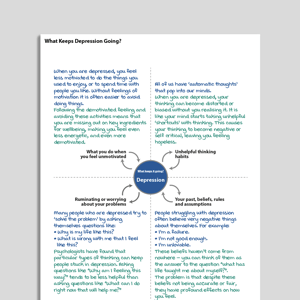
psychological models of depression
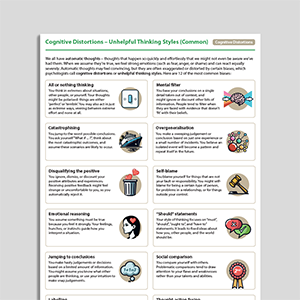
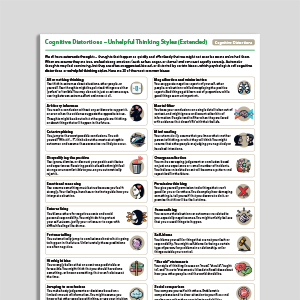
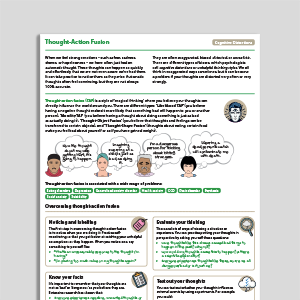
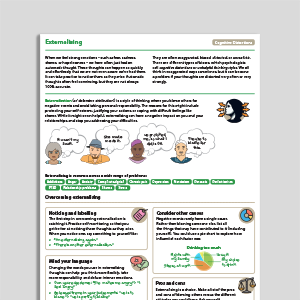
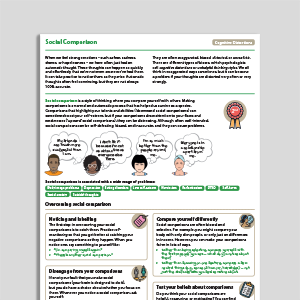
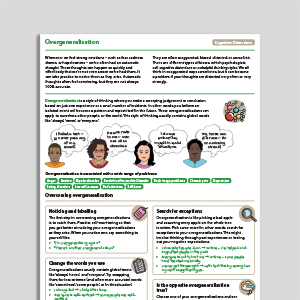
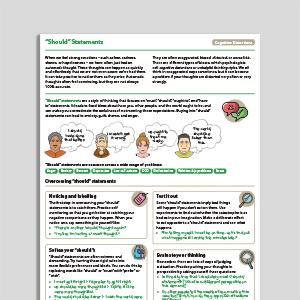
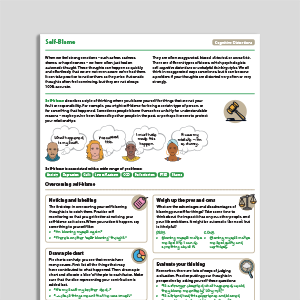
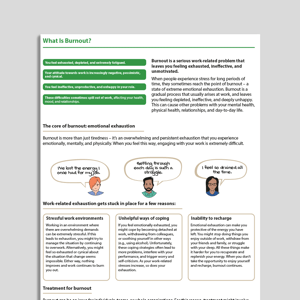
information handouts for depression
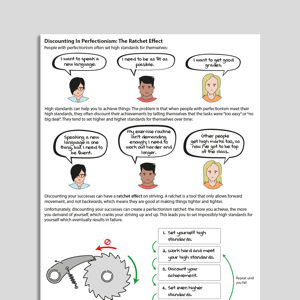
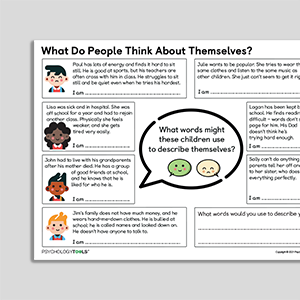
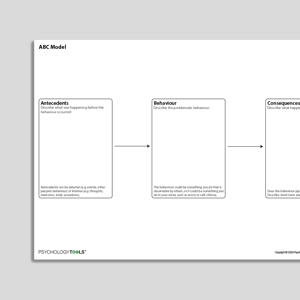
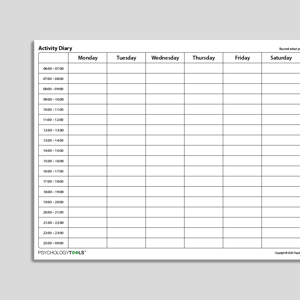
exercises for depression
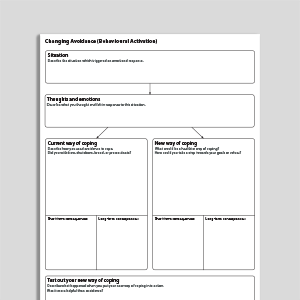
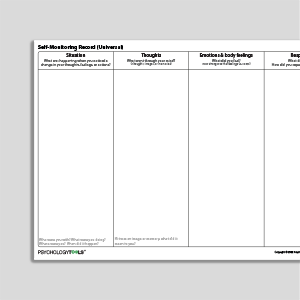
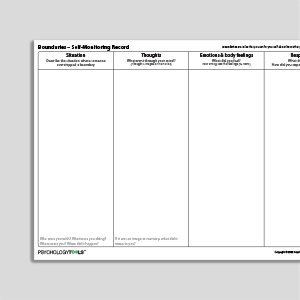
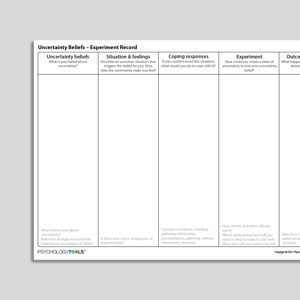
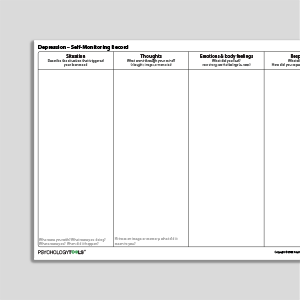
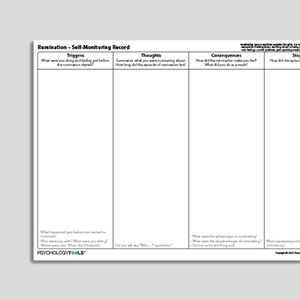
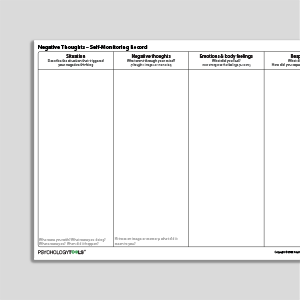
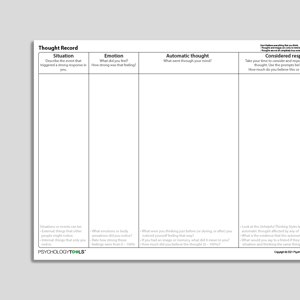
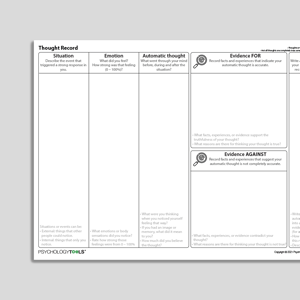
CBT worksheets for depression
self-help programs for depression
References
Beck, A. T., Rush, A. J., Shaw, B. F., & Emery, G. (1979). Cognitive therapy of depression. New York: Guilford Press.
Hayes, S. C., Luoma, J. B., Bond, F. W., Masuda, A., & Lillis, J. (2006). Acceptance and commitment therapy: Model, processes and outcomes. Behaviour Research and Therapy, 44(1), 1–25.
Links to external resources
Psychology Tools makes every effort to check external links and review their content. However, we are not responsible for the quality or content of external links and cannot guarantee that these links will work all of the time.
Please login to view our external resources.