Resources designed around how people learn and change
Therapy resources should do more than communicate information. They should help clients understand complex ideas, make sense of their experiences, practice new skills, and apply what they learn in everyday life. At Psychology Tools, design is a core part of the therapeutic process. Every resource is carefully designed to support understanding, learning, reflection, and behavior change.
Designed to support learning
Clients often encounter therapy at times when they are overwhelmed, distressed, distracted, or emotionally exhausted. Psychology Tools resources are designed to make important ideas easier to understand, remember, and apply by presenting information clearly and guiding clients through concepts one step at a time.
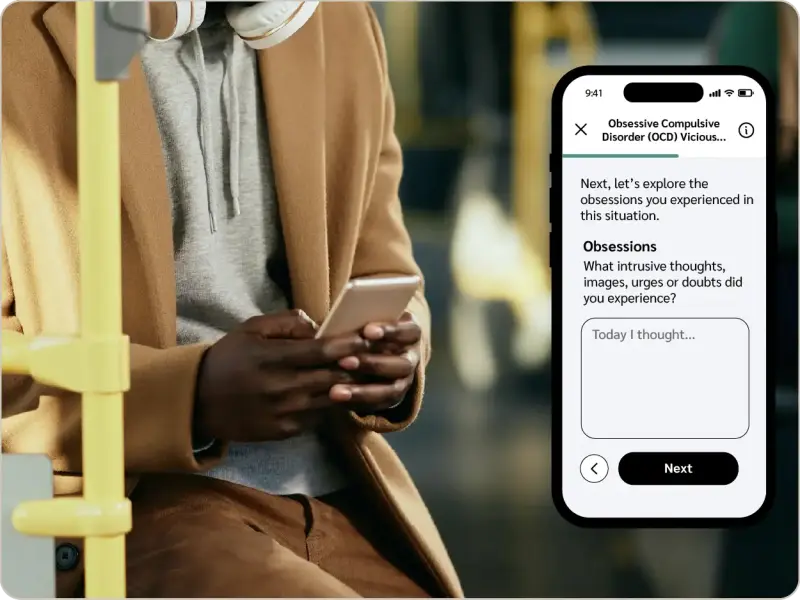
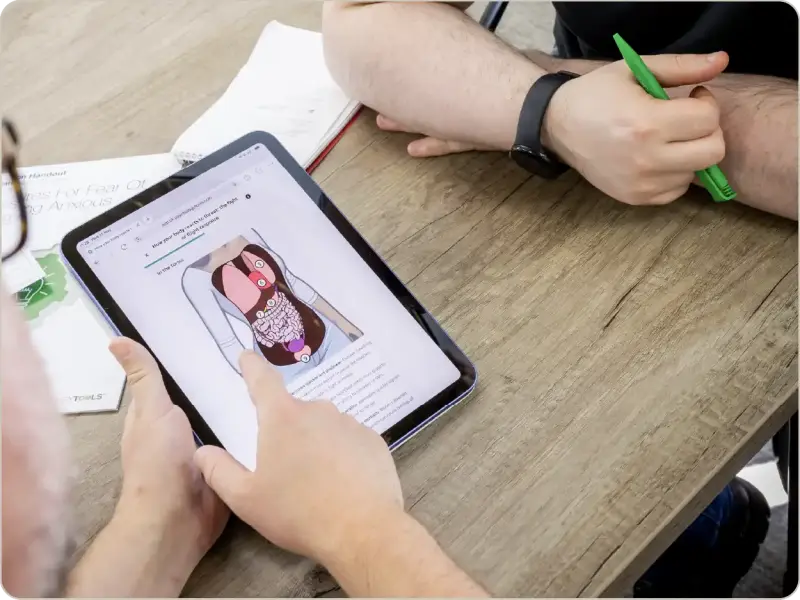
One concept at a time
People learn more effectively when new ideas are introduced gradually. Rather than overwhelming clients with multiple concepts on a single page, Psychology Tools resources focus attention on one idea, skill, or exercise at a time. This helps clients stay focused, build confidence, and make steady progress throughout therapy.
Consistent by design
Resources across the Psychology Tools library follow the same design principles, helping clients spend less time working out how to use a resource and more time engaging with its content. Consistent layouts, language, and structure help create a smoother experience for both clinicians and clients.
Frequently asked questions
Why does design matter in therapy resources?
Well-designed resources can make therapeutic concepts easier to understand, remember, and apply, helping clients engage more effectively with treatment.
How are Psychology Tools resources designed?
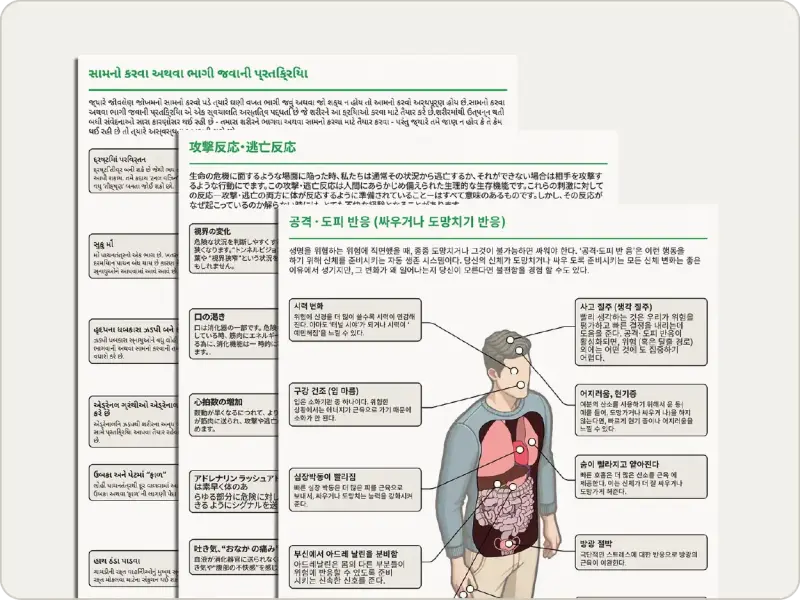
Resources are designed around principles of learning, clarity, consistency, and accessibility, with a focus on reducing unnecessary complexity.
Are resources suitable for different types of learners?
Yes. Resources are designed to support a wide range of learning preferences and levels of psychological knowledge.
Are design principles applied across the whole library?
Yes. Consistent design principles are used throughout the Psychology Tools resource library.
Who designs Psychology Tools resources?
Resources are created by psychologists and designers working together to support effective learning and therapeutic engagement.
Designed to help clients understand, practice, and change
Psychology Tools combines evidence-based psychological content with thoughtful, client-centred design to help clients engage with therapy, develop new skills, and create meaningful change.