What Is Bipolar Disorder?
Signs and Symptoms of Bipolar Disorder
Diagnoses of bipolar and related disorders are made based on the presence of episodes of hypomania, mania, or depression. Summary diagnostic criteria are given below.
To meet criteria for Bipolar I disorder an individual must have experienced at least one lifetime manic episode.
To meet criteria for Bipolar II disorder an individual must have experienced at least one hypomanic episode and one depressive episode; and must never have experienced a manic episode.
To meet criteria for cyclothymic disorder the individual must have experienced numerous sub-threshold episodes of hypomanic and depressive symptoms that do not meet full criteria for a hypomanic, manic, or depressive episode; have never met full criteria for a manic, hypomanic, or depressive episode; and experience cyclothymic periods most of the time.
A manic episode is characterized by the experience of at least four of the following symptoms for a period of at least a week, and to a degree severe enough to cause a marked impairment in the individual’s functioning:
a period of elevated, expansive, or irritable mood that is abnormal for the individual
increased goal-directed activity or energy
increased self-esteem or grandiosity
decreased need for sleep
increased talkativeness, or pressure to keep talking
flight of ideas or the subjective experience that thoughts are racing
difficulty concentrating or distractibility
excessive reckless behavior
increased activity or physical restlessness
loss of social inhibitions resulting in inappropriate behavior
marked sexual energy/indiscretions
A hypomanic episode is characterized by the experience of at least five of the following symptoms for at least four consecutive days, and to a degree where there is an unequivocal change in functioning:
a period of elevated, expansive, or irritable mood that is abnormal for the individual
persistently increased activity or energy
increased talkativeness or pressure to keep talking
difficulty concentrating or distractibility
decreased need for sleep
excessive reckless behavior
increase in activity or psychomotor agitation
inflated self-esteem or grandiosity
flight of ideas or the subjective experience that thoughts are racing
increased sociability or over-familiarity
increased sexual energy
A depressive episode is characterized by the experience of at least five of the following symptoms for at least two weeks:
depressed mood most of the day, nearly every day
diminished interest in previously pleasurable activities
fatigue or loss of energy
sleep disturbance
feelings of worthlessness, self-reproach, or excessive guilt
diminished ability to think or concentrate
recurrent thoughts of death or suicide, or suicidal behavior
changes in appetite, with corresponding weight change
psychomotor agitation or retardation
loss of confidence and self-esteem
Evidence-Based Psychological Approaches for Working with Bipolar Disorder
Bipolar disorder is best seen as a multifaceted condition with broad biological, social, and psychological components. Medical management is crucially important, but psychological interventions can also play a helpful role: particularly in the long-term management and prevention of relapse, building resilience, and improving quality of life. A 2014 review concluded that “The evidence demonstrates that bipolar disorder-specific psychotherapies, when added to medication for the treatment of bipolar disorder, consistently show advantages over medication alone on measures of symptom burden and risk of relapse … those who receive bipolar disorder-specific psychotherapy fare better than those who do not”(Swartz & Swanson, 2014). Interventions that have been researched include:
psychoeducation
cognitive behavioral therapy for bipolar disorder
interpersonal and social rhythm therapy (IPSRT)
family-focused therapy
mindfulness-based interventions
Resources for Working with Bipolar Disorder
Psychology Tools resources available for working therapeutically with bipolar disorder may include:
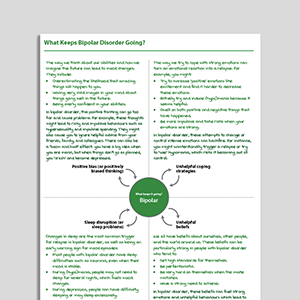
psychological models of bipolar disorder
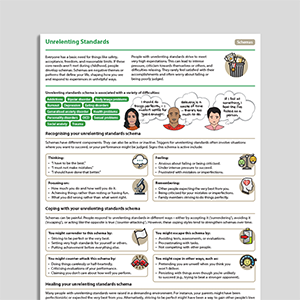
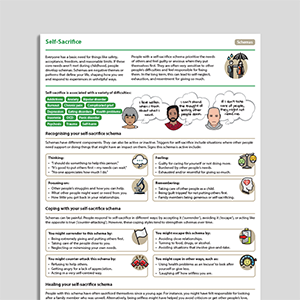
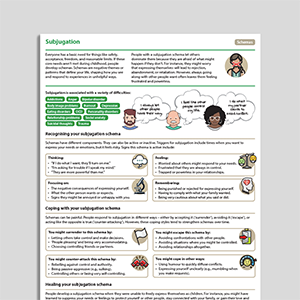
information handouts for bipolar disorder
exercises for bipolar disorder
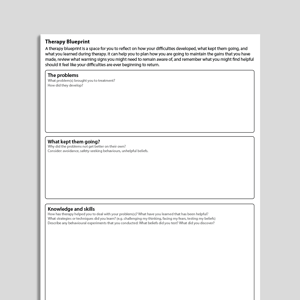
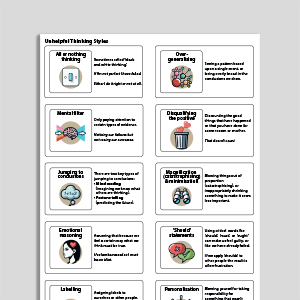
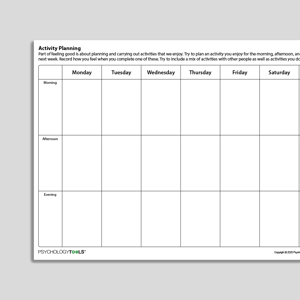
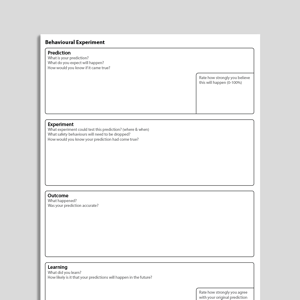
CBT worksheets for bipolar disorder
self-help programs for bipolar disorder
References
Lam, D. H., Jones, S. H., Hayward, P., & Bright, J. A. (1999). Cognitive therapy for bipolar disorder: A therapist’s guide to concepts, methods, and practice. Malden, MA: Wiley.
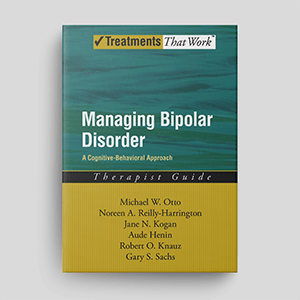
Otto, M. W., Reilly-Harrington, N. A., Kogan, J. N., Henin, A., Knauz, R. O., & Sachs, G. S. (2009). Managing bipolar disorder: A cognitive-behavioral approach—therapist guide. New York: Oxford University Press.
Swartz, H. A., & Swanson, J. (2014). Psychotherapy for bipolar disorder in adults: A review of the evidence. Focus, 12(3), 251–266.