What Is Assertiveness?
Signs and Symptoms of Un-assertiveness
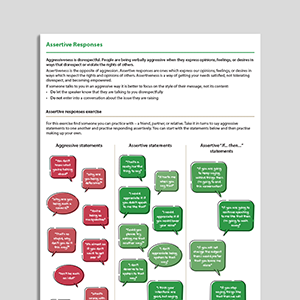
Assertiveness is a skill. Being assertive means being able to stand up for your own rights, or those of others, in a calm and positive way. People who struggle to be assertive might:
find it difficult to stand up for their rights or put across their point of view;
behave passively and comply with the wishes of others;
respond aggressively and fail to consider the views of others.
Psychological Models and Theory of Assertiveness
Heimberg and Becker (1981) review both behavioral and cognitive models of assertive behavior. They argue that a behavioral model of assertiveness is based on four major assumptions:
Non-assertive behavior is the result of a deficit in assertiveness skills.
Reinforcement of assertive behavior is an essential part of its development and maintenance.
Different types of assertive behavior are independent from one another and may need to be taught separately.
Assertive behavior is situation-specific.
Examining a cognitive model of assertiveness, Heimberg and Becker (1981) propose thatnon-assertiveness may be the result of:
maladaptive cognitions such as self-statements;
irrational beliefs and negative self-evaluations;
expectations of unwanted results from assertive behavior;
differences in information processing and cognitive flexibility between assertive and non-assertive individuals.
Evidence-Based Psychological Approaches for Increasing Assertiveness
Speed, Goldstein, and Goldfried (2018) review research on assertiveness training and place it within a historical context. They describe how assertiveness training fell out of favor with moves toward a medical model approach to treating psychological difficulties. They review evidence for assertiveness training as a stand-alone intervention. They also review the role of assertiveness within Dialectical Behavior Therapy (DBT) ‘interpersonal effectiveness’ modules, behavioral activation programs, and its fit within committed value-based actions as a part of Acceptance and Commitment Therapy (ACT). They conclude:
“Early basic research suggests that assertiveness problems are common among externalizing disorders, such as depression and anxiety, as well as nonclinical problems such as self-esteem and relationship satisfaction, making assertiveness a construct that may play a central role in the maintenance of clinical problems. Importantly, a substantial body of early research supports the efficacy of assertiveness training in improving clinical symptoms, increasing self-esteem, relationship satisfaction, and assertiveness—both broadly and within specific contexts.”
Resources for Working with Assertiveness
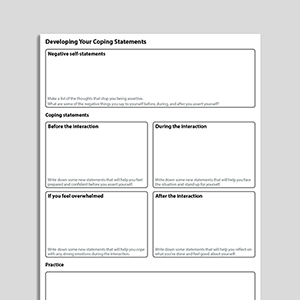
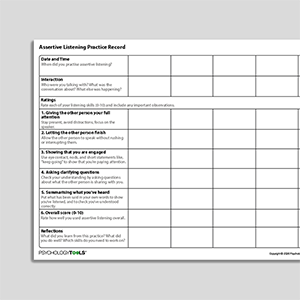
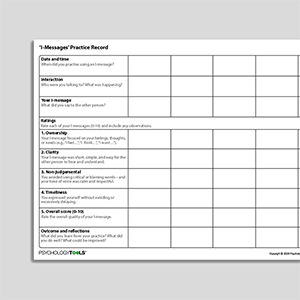
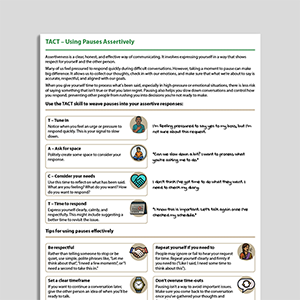
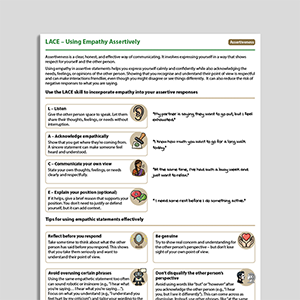
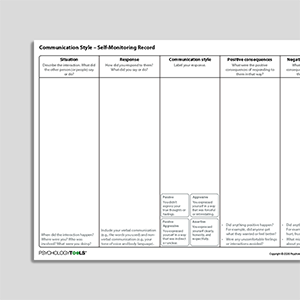
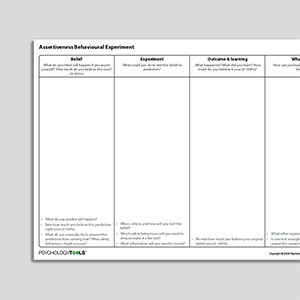
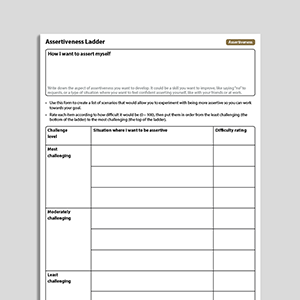
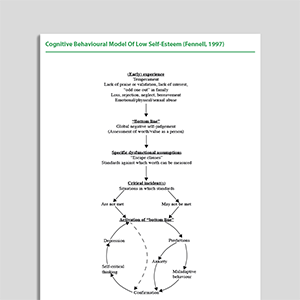
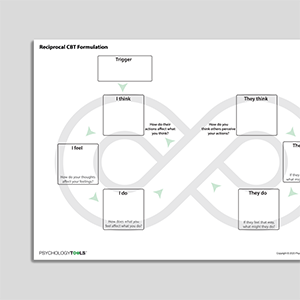
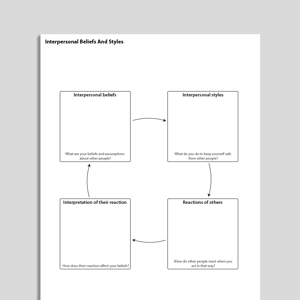
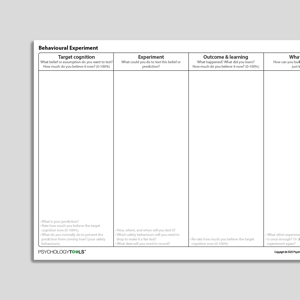
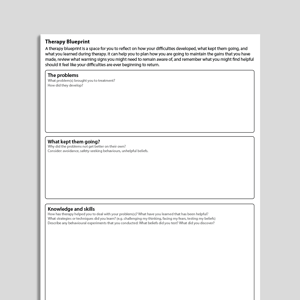
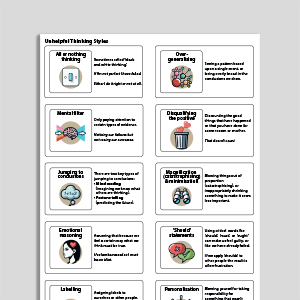
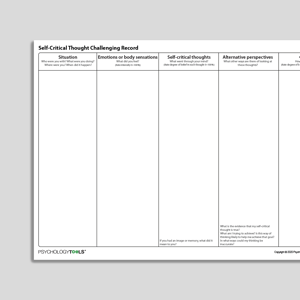
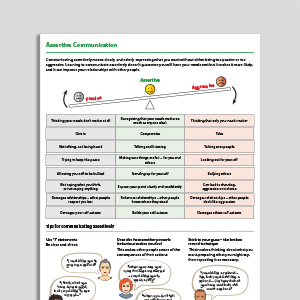
Psychology Tools resources available for working therapeutically with assertiveness may include:
References
Alberti, R. E., & Emmons, M. L. (1974). Assert yourself—It’s your perfect right. San Luis Obispo. CA: Impact.
Heimberg, R. G., & Becker, R. E. (1981). Cognitive and behavioral models of assertive behavior: Review, analysis and integration. Clinical Psychology Review, 1(3), 353–373.
Speed, B. C., Goldstein, B. L., & Goldfried, M. R. (2018). Assertiveness training: A forgotten evidence‐based treatment. Clinical Psychology: Science and Practice, 25(1), e12216. https://doi.org/10.1111/cpsp.12216
Links to external resources
Psychology Tools makes every effort to check external links and review their content. However, we are not responsible for the quality or content of external links and cannot guarantee that these links will work all of the time.
Please login to view our external resources.