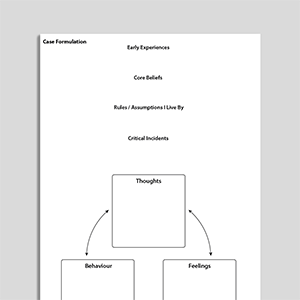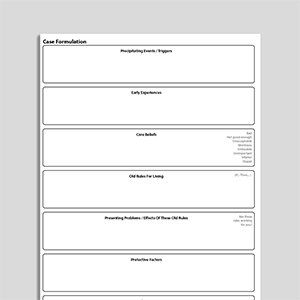
Case Formulation – Longitudinal B
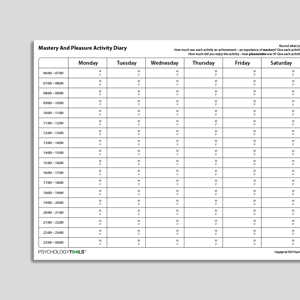
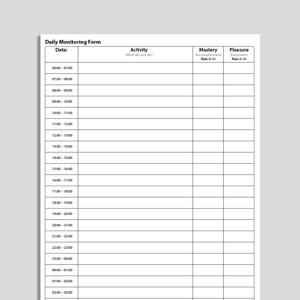
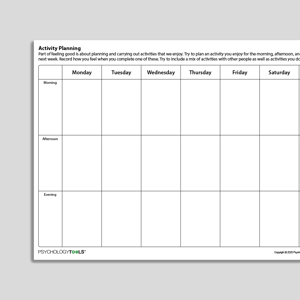
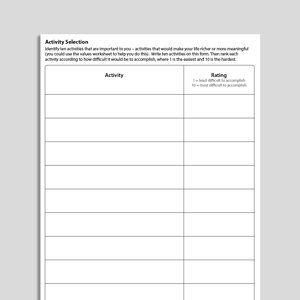
Mastery And Pleasure Activity Diary
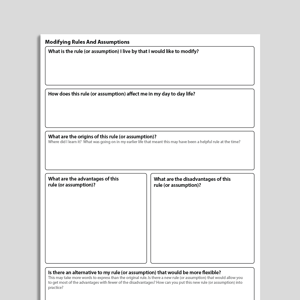
Modifying Rules And Assumptions
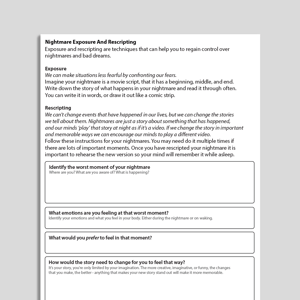
Nightmare Exposure And Rescripting
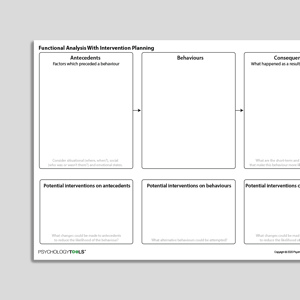
Functional Analysis With Intervention Planning
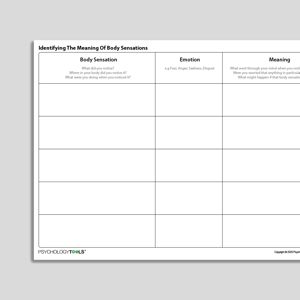
Identifying The Meaning Of Body Sensations
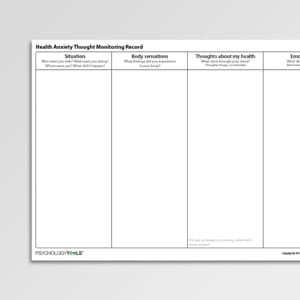
Health Anxiety Self-Monitoring Record (Archived)
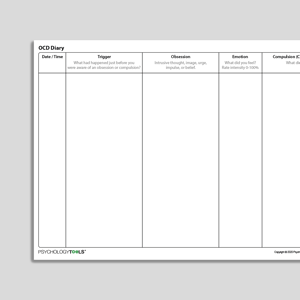
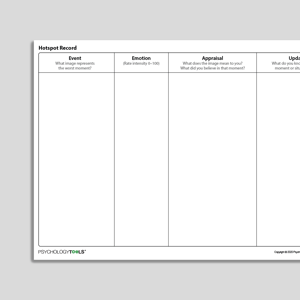
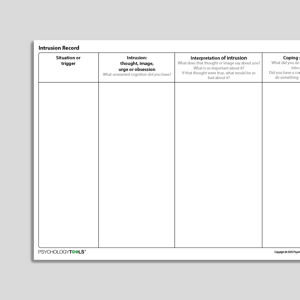
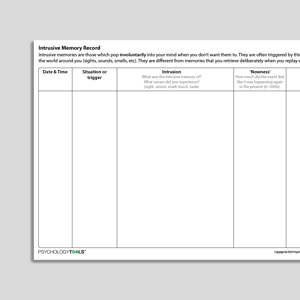
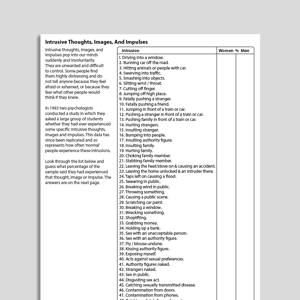
Intrusive Thoughts Images And Impulses
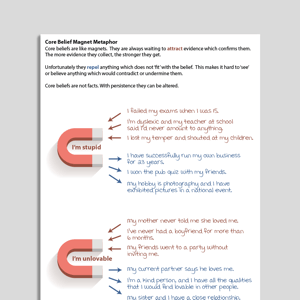
Core Belief Magnet Metaphor
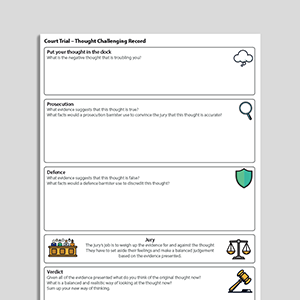
Court Trial Thought Challenging Record (Archived)
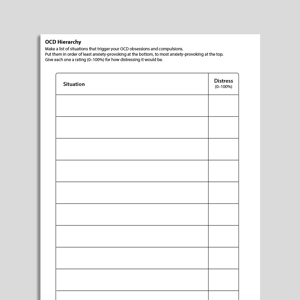
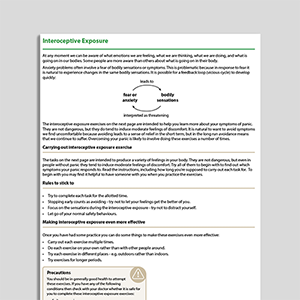
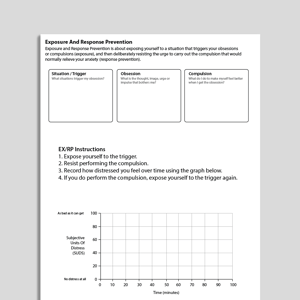
Exposure And Response Prevention
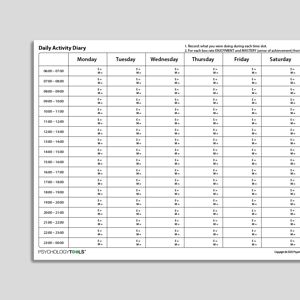
CBT Daily Activity Diary With Enjoyment And Mastery Ratings
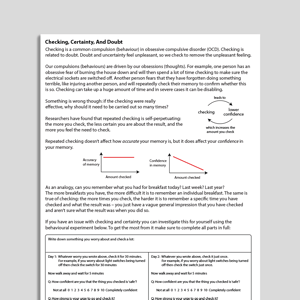
Checking Certainty And Doubt
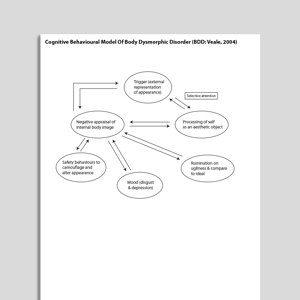
Cognitive Behavioral Model Of Body Dysmorphic Disorder (BDD: Veale, 2004)
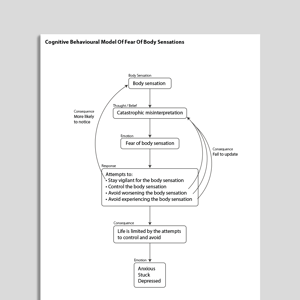
Cognitive Behavioral Model Of Fear Of Body Sensations
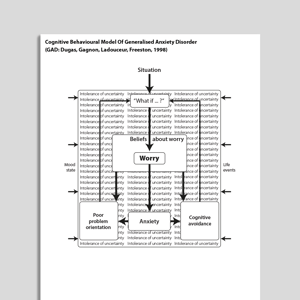
Cognitive Behavioral Model Of Generalized Anxiety Disorder (GAD: Dugas, Gagnon, Ladouceur, Freeston, 1998)
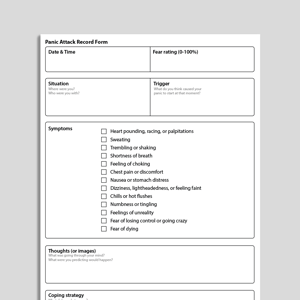
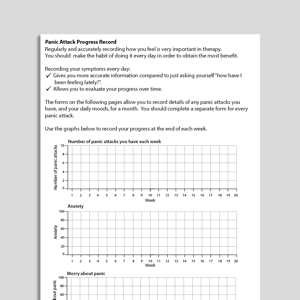
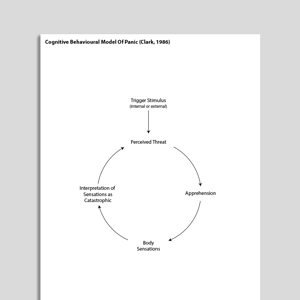
Cognitive Behavioral Model Of Panic (Clark, 1986)
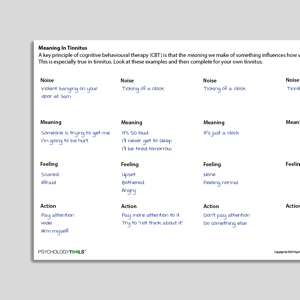
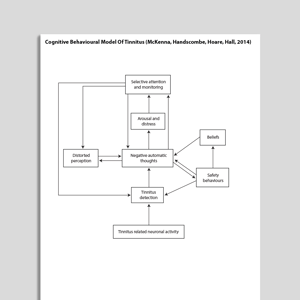
Cognitive Behavioral Model Of Tinnitus (McKenna, Handscombe, Hoare, Hall, 2014)
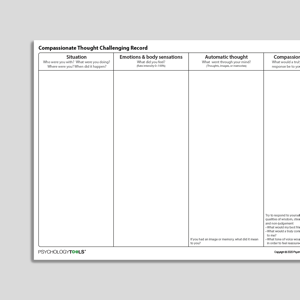
Compassionate Thought Challenging Record
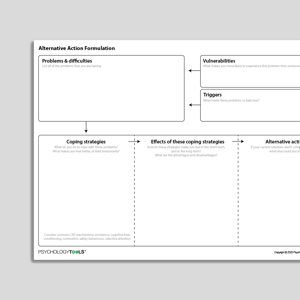
Alternative Action Formulation
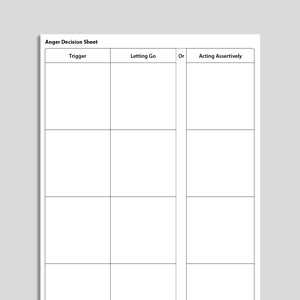
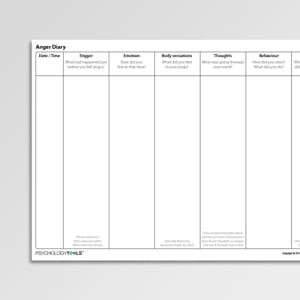
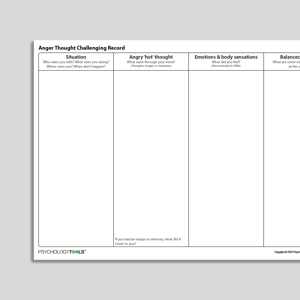
Anger Thought Challenging Record
What Is Cognitive Behavioral Therapy?
Assumptions of CBT
people actively process information;
our appraisals (the way that we think and interpret events) determine how we feel;
dysfunctional thinking and biases in information processing (cognition/thinking) are responsible for the problems that people experience;
different problems are associated with different cognitive themes (cognitive specificity theory): depression is associated with loss and defeat; anxiety is associated with danger and threat; obsessive-compulsive disorder is associated with inflated responsibility; substance abuse is associated with permissive beliefs; eating disorders are associated with self-criticism; social anxiety is associated with fear of evaluation; and PTSD is associated with appraisals of immediate threat;
the thoughts that we have can be ‘distorted’ or biased. Common biases include over-generalization, arbitrary inference, selective abstraction, and catastrophizing;
changing how we think and act will impact how we feel: cognition, emotion, and behavior interact in a reciprocal manner;
psychopathology is a result of an interaction between stress and vulnerability;
cognition happens at multiple levels (Alford & Beck, 1997) and all can influence the way that we feel and behave: preconscious, unintentional, automatic (e.g., negative automatic thoughts); the conscious level (e.g., if a patient is asked to explain the meaning of an automatic thought); and the metacognitive level (beliefs about beliefs);
experiences, memories, thoughts, attitudes, and beliefs are encapsulated as ‘schemas’ and which may become activated and influence our perceptions and behaviors.
Principles of CBT
Judith Beck (1995) identified 11 principles of the practice of cognitive behavioral therapy, and these were expanded by Wills (2009):cognitive behavioral therapists use formulation to focus their therapeutic work
cognitive behavioral therapists use formulation to tackle interpersonal and alliance issues
cognitive behavioral therapy requires a sound therapeutic relationship
cognitive behavioral therapists stress the importance of collaboration in the therapeutic relationship
cognitive behavioral therapy is brief and time-limited
cognitive behavioral therapy is structured and directional
cognitive behavioral therapy is problem- and goal-oriented
cognitive behavioral therapy initially emphasizes a focus on the present
cognitive behavioral therapy uses an educational model
homework and self-practice is a central feature of cognitive behavioral therapy (incorporating the use of CBT worksheets)
cognitive behavioral therapists teach clients to evaluate and modify their thoughts
cognitive behavioral therapy uses various methods to change cognitive content including thought records, behavioral experiments, surveys
cognitive behavior therapy uses a variety of methods to promote behavioral change including exposure, behavioral experiments, role-play.
Procedures and Techniques of CBT
Data gathering and symptom monitoring are used to understand problems and to measure change. CBT is an evidence-based approach that relies upon accurate data gathering regarding symptoms and experiences.
Behavioral activation is a set of techniques for encouraging engagement in meaningful activity and is an effective treatment for depression.
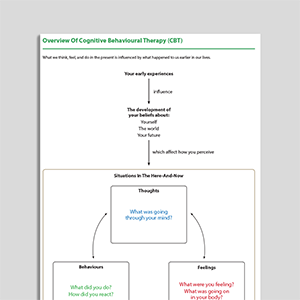
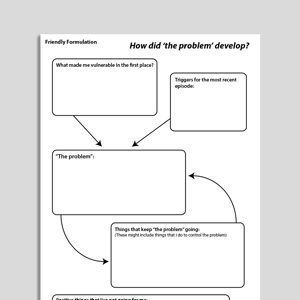
Case formulation is a method for understanding the origin and maintenance of a problem in cognitive and behavioral terms. CBT therapists may use a mixture of cross-sectional formulation to understand difficulties in the here-and-now, longitudinal formulation to understand the origins and precipitants of a problem, and cognitive behavioral models to understand the mechanisms underlying a problem.
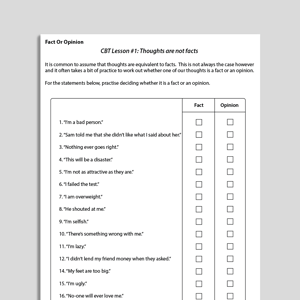
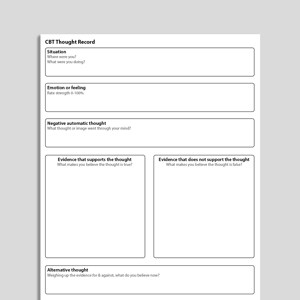
Cognitive restructuring describes techniques for changing what we think. It often involves the use of thought records, behavioral experiments, data gathering, or psychoeducation.
Exposure is a technique from behavior therapy that is extensively used by CBT therapists, particularly for the treatment of anxiety. ‘Facing your fears’ is an essential behavioral component of CBT.
Problem solving describes a series of techniques that are often taught as part of a CBT intervention. Effective problem solving helps people to make adaptive choices.
Socratic methods are used by CBT therapists to help their clients explore what they know, and to form their own opinions on a topic. Aaron Beck encouraged the use of Socratic-like technique in his original treatment manual “use questioning rather than disputation and indoctrination … it is important to try to elicit from the patient what he is thinking rather than telling the patient what the therapist believes he is thinking” (Beck et al, 1979).
References
Alford, B. A., & Beck, A. T. (1997). The relation of psychotherapy integration to the established systems of psychotherapy. Journal of psychotherapy integration, 7(4), 275-289.
Beck, A. T., Rush, A. J., Shaw, B. F., & Emery, G. (1979). Cognitive therapy of depression. New York: Guilford.
Beck, J. S. (1995). Cognitive therapy: Basics and beyond. New York: Guilford.
Wills, F. (2009). Beck’s cognitive therapy. CBT Distinctive Features Series. New York: Routledge.
Links to external resources
Psychology Tools makes every effort to check external links and review their content. However, we are not responsible for the quality or content of external links and cannot guarantee that these links will work all of the time.
Please login to view our external resources.