Sensory Grounding Using Your Five Senses (Audio)
Audio
Sensory Grounding Using Your Five Senses (Audio)
audio/mpeg
•
4.85 MB
Sensory Grounding Using Smells (Audio)
Audio
Sensory Grounding Using Smells (Audio)
audio/mpeg
•
5.53 MB
Relaxed Breathing Exercise 4 (Audio)
Audio
Relaxed Breathing Exercise 4 (Audio)
audio/mpeg
•
8.42 MB
Relaxed Breathing Exercise 3 (Audio)
Audio
Relaxed Breathing Exercise 3 (Audio)
audio/mpeg
•
8.05 MB
Relaxed Breathing Exercise 2 (Audio)
Audio
Relaxed Breathing Exercise 2 (Audio)
audio/mpeg
•
9.25 MB
Relaxed Breathing Exercise 1 (Audio)
Audio
Relaxed Breathing Exercise 1 (Audio)
audio/mpeg
•
8.42 MB
Progressive Muscle Relaxation (Audio)
Audio
Progressive Muscle Relaxation (Audio)
audio/mpeg
•
21.87 MB

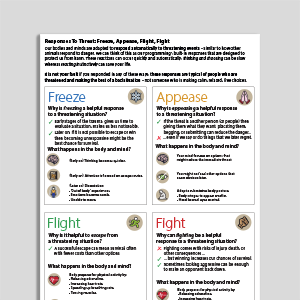
Responses To Threat: Freeze, Appease, Flight, Fight
Information Handouts
Responses To Threat: Freeze, Appease, Flight, Fight
application/pdf
•
194.56 KB
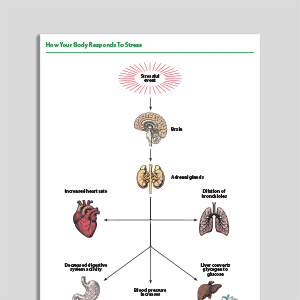
How Your Body Responds To Stress
Information Handouts
How Your Body Responds To Stress
application/pdf
•
855.86 KB
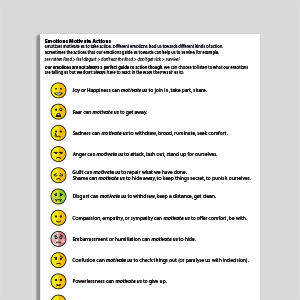
Challenging Your Negative Thinking (Archived)
Archived
Challenging Your Negative Thinking (Archived)
application/pdf
•
1.51 MB
Combined Relaxation Exercise (Audio)
Audio
Combined Relaxation Exercise (Audio)
audio/mpeg
•
28.71 MB
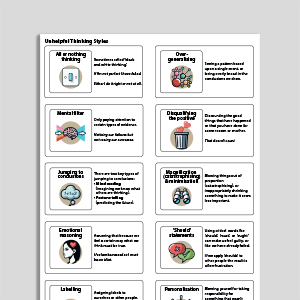
Unhelpful Thinking Styles (Archived)
Archived
Unhelpful Thinking Styles (Archived)
application/pdf
•
309.51 KB
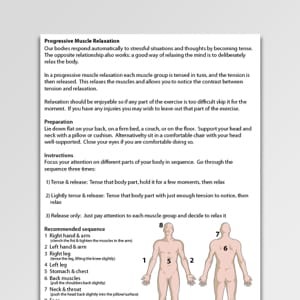
Progressive Muscle Relaxation (Archived)
Archived
Progressive Muscle Relaxation (Archived)
application/pdf
•
558.69 KB
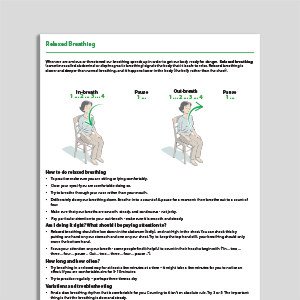
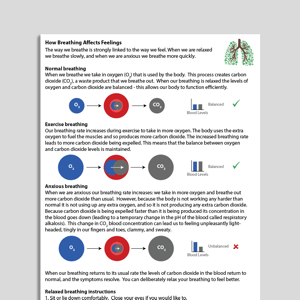
How Breathing Affects Feelings
Information Handouts
How Breathing Affects Feelings
application/pdf
•
446.7 KB
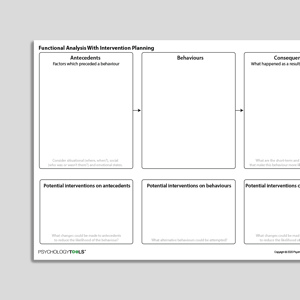
Functional Analysis With Intervention Planning
Worksheets
Functional Analysis With Intervention Planning
application/pdf
•
197.44 KB
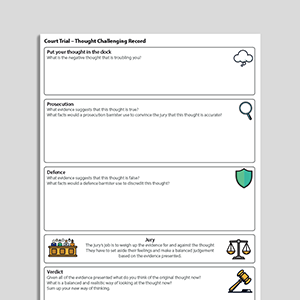
Court Trial Thought Challenging Record (Archived)
Archived
Court Trial Thought Challenging Record (Archived)
application/pdf
•
356.2 KB
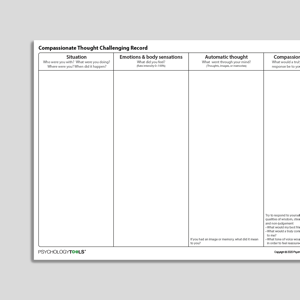
Compassionate Thought Challenging Record
Worksheets
Compassionate Thought Challenging Record
application/pdf
•
262.82 KB
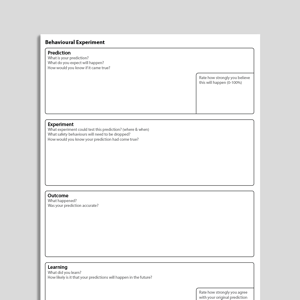
Behavioral Experiment (Portrait Format)
Worksheets
Behavioral Experiment (Portrait Format)
application/pdf
•
274.3 KB
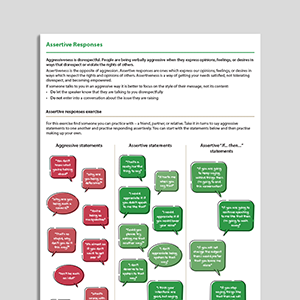
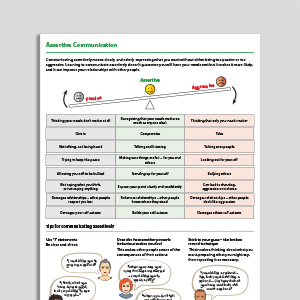
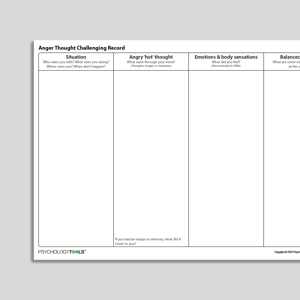
Anger Thought Challenging Record
Worksheets
Anger Thought Challenging Record
application/pdf
•
316.32 KB
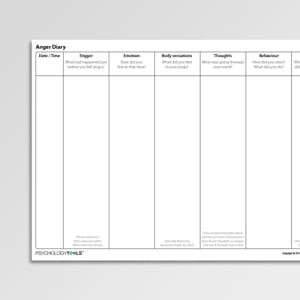
What Is Anger?
Signs and Symptoms of Anger
Anger is an emotional response that is associated with a spectrum of other physiological, emotional, cognitive, and behavioral reactions. Physical signs associated with anger include muscle tension, including a clenched jaw, increased heart rate, sweating, headache, or dizziness. Emotions associated with anger may include frustration, irritation, anxiety, guilt, or shame. Behaviors associated with anger can span a spectrum from expressive (e.g., raising your voice, being sarcastic or abrasive) to inhibitory (e.g., withdrawing, focusing internally).Psychological Models and Theory of Anger
In 1975 Raymond Novaco published an influential analysis of the functions and regulation of anger. He described anger as having the following functions:an energizing function which increases the vigor with which we act;
allowing for the expression of frustrations;
a self-promotional function;
a defense against feelings of vulnerability, whereby an anger response appears as secondary to a situation that has aroused anxiety.
Evidence-Based Psychological Approaches for Working with Anger
Cognitive behavioral interventions are the most studied treatments of anger (Lee & DiGiuseppe, 2018).Anger Management
Anger management is a structured treatment designed to foster the self-regulation of anger and aggressive behavior. Anger management teaches clients to become aware of signs and symptoms associated with their anger. Anger management is intended to reduce the frequency, intensity, duration, and specific modes of expression of anger. Intervention techniques include:cognitive restructuring of an individual’s ways of perceiving aversive events, unhelpful thinking styles, attentional focus, and rumination;
the use of breathing, muscle relaxation, and imagery exercises to reduce tension and arousal to provocation;
behavioral coping training including assertiveness, diplomacy, and strategic withdrawal.
Forgiveness Therapy
Forgiveness therapy is an evidence-based treatment for anger (Enright & Fitzgibbons, 2000, 2015). Enright and Fitzgibbons have published extensively regarding forgiveness therapy. Their approach views forgiveness as a process involving stages of uncovering, decision, work, and deepening.Resources for Working with Anger
Psychology Tools resources available for working therapeutically with anger may include:psychological models of anger
information handouts for anger management
exercises for anger management
CBT worksheets for anger management
self-help programs for anger management
References
Enright, R. D., & Fitzgibbons, R. P. (2000). Helping clients forgive: An empirical guide for resolving anger and restoring hope. American Psychological Association.
Enright, R. D., & Fitzgibbons, R. P. (2015). Forgiveness therapy: An empirical guide for resolving anger and restoring hope. American Psychological Association.
Lee, A. H., & DiGiuseppe, R. (2018). Anger and aggression treatments: A review of meta-analyses. Current Opinion in Psychology, 19, 65–74.
Novaco, R. W. (1975). Anger control: The development and evaluation of an experimental treatment. Lexington.
Novaco, R. W., & Renwick, S. J. (2019). Anger management. Common Language for Psychotherapy (CLP) Procedures Retrieved from: https://www.commonlanguagepsychotherapy.org/assets/accepted_procedures/anger.pdf
Links to external resources
Psychology Tools makes every effort to check external links and review their content. However, we are not responsible for the quality or content of external links and cannot guarantee that these links will work all of the time.
Please login to view our external resources.