Family Therapy, Systemic Therapy, and Narrative Therapy

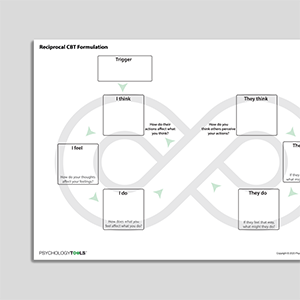
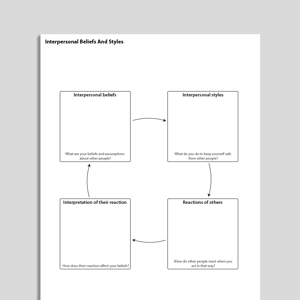
Family therapy is a form of psychotherapy that works with families and couples to promote change and development. Griffin (1993) proposes that “Family therapy is any attempt to modify salient environmental features, most importantly interpersonal contacts or beliefs about these contacts, which alter interactional patterns, allowing the presenting problem to be unnecessary.” It prioritizes systems of interaction and relationships. Family therapy is associated with a number of distinct schools including Mental Research Institute (MRI) brief therapy, strategic therapy, structural family therapy, and the Milan systems model. Narrative therapy is derived from the philosophical ideas of Michel Foucault and was developed largely by Michael White and David Epston. It views people as separate from problems and assumes that people have competencies that can help them to change the relationships they have with problems in their lives. Narrative therapy proposes that we create many meaningful stories about our lives, desires, achievements, and failures. Which stories are dominant will affect us emotionally and will affect the choices we make. Narrative therapy is often described as ‘re-storying’ conversations, a process which helps individuals to understand their lives in terms of the stories they choose to tell.

+ Show all problems

References

  • Griffin, W. A. (1993). Family therapy: Fundamentals of theory and practice (Vol. 1). Psychology Press.

  • Morgan, A. (2000). What is narrative therapy? Adelaide, Australia: Dulwich Centre Publications.

Links to external resources

Psychology Tools makes every effort to check external links and review their content. However, we are not responsible for the quality or content of external links and cannot guarantee that these links will work all of the time.

Please login to view our external resources.