What Are Self-Harm And Suicide?
Signs And Symptoms Associated with Self-Harm and Suicide
Parasuicidal behavior is defined as a deliberate destruction of body tissue, with or without suicidal intent (Kreitman, 1977) and may include a clear intent to die, no intent to die, or degrees of ambivalence about the intent to die.Deliberate self-harm (DSH) is a form of parasuicidal behavior that involves no intent to die. Not everyone who engages in DSH is suicidal or has attempted suicide (Kessler, Borges, & Walters, 1999; Velamoor & Cernovsky, 1992).Conceptualized in CBT terms self-harm is the behavioral consequence of distressing thoughts and emotions. Individuals who self-harm may be experiencing high levels of affect and often have few or ineffective coping strategies.
Psychological Models and Theory of Self-Harm and Suicidal Thoughts and Behaviors
There are a number of psychological models which address self-harm and suicidal thoughts and behaviors. These include:
Dialectical Behavior Therapy (DBT), which views suicide and self-harm as the product of emotional dysregulation. Linehan views emotional dysregulation (the inability to change or regulate emotional cues, experiences, actions, verbal or nonverbal responses) as a product of an interaction between biological vulnerability and an invalidating environment (Linehan, 2014).
Joiner’s Interpersonal Theory of Suicidal Behavior (Joiner, 2005; Van Orden et al., 2010), which proposes that suicidal desire is caused by “thwarted belongingness” and “perceived burdensomeness” (and hopelessness about these states). The model also proposes that the desire to engage in suicidal behavior is separate from the capacity to engage in suicidal behavior—capability is said to emerge in response to repeated exposures to physically painful and/or fear-inducing experiences.
The Experiential Avoidance Model of deliberate self-harm (Chapman, Gratz, & Brown, 2006) proposes that deliberate self-harm is maintained by negative reinforcement in the form of escape from or avoidance of negative emotional experiences.
The hopelessness theory of suicidality (Abramson et al., 1989 / 2002) proposes a causal chain in which life events are perceived as negative, stable (i.e., unlikely to change), global (i.e., affect many outcomes), likely to lead to other negative outcomes or consequences, and seen as implying that the individual concerned is flawed, unworthy, or deficient. The result of this chain is hopeless depression and suicidality.
Evidence-Based Psychological Approaches for Working with Self-Harm and Suicidal Thoughts and Behaviors
Depending upon the types of experience, and functions of behavior then a variety of therapeutic approaches are potentially appropriate for working with self-harm and suicidal thoughts and behaviors. These include:
Resources for Working with Self-Harm and Suicidal Thoughts and Behaviors
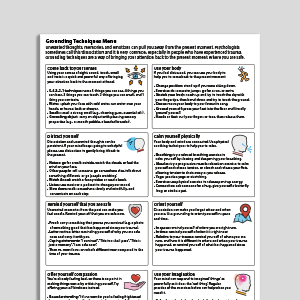
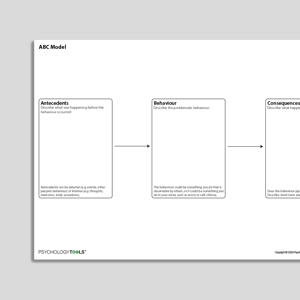
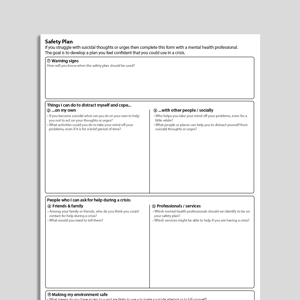
Psychology Tools resources available for working therapeutically with self-harm and suicidal thoughts and behaviors includes risk and safety plans, grounding strategies, and emotional regulation skills resources. It may also include:
psychological models of self-harm and suicidal thoughts and behaviors
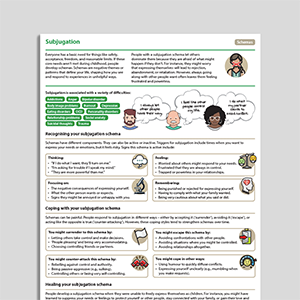
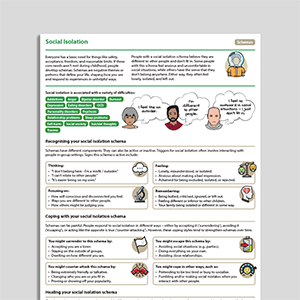
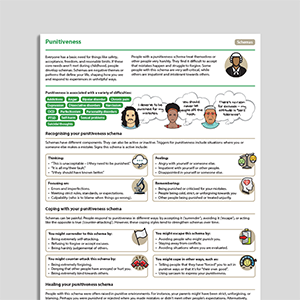
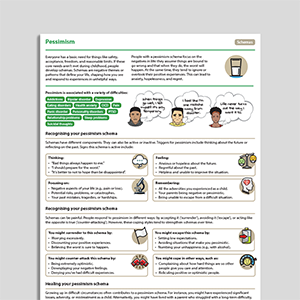
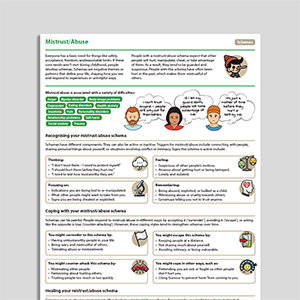
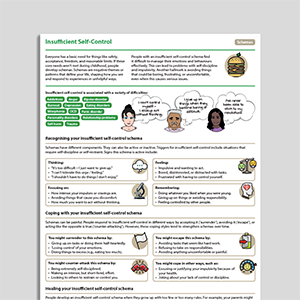
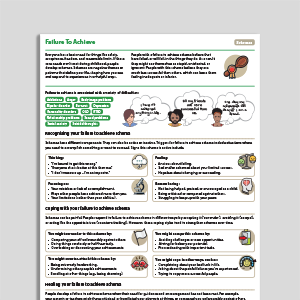
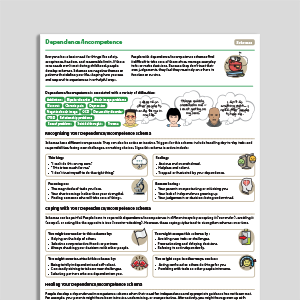
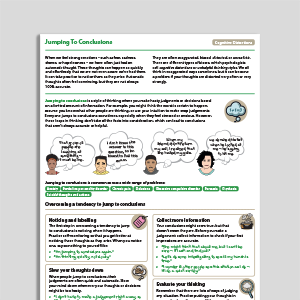
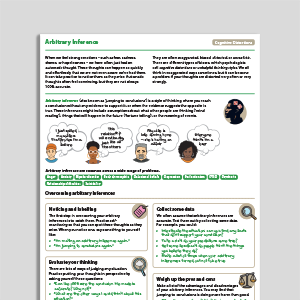
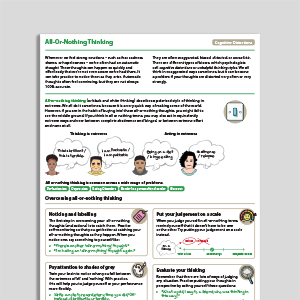
information handouts for self-harm and suicidal thoughts and behaviors
exercises for self-harm and suicidal thoughts and behaviors
CBT worksheets for self-harm and suicidal thoughts and behaviors
self-help programs for self-harm and suicidal thoughts and behaviors
References
Abramson, L. Y., Metalsky, G. J., & Alloy, L. B. (1989). Hopelessness depression: A theory-based subtype of depression. Psychological Review, 96(2), 358–372.
Abramson, L. Y., Alloy, L. B., Hogan, M. E., Whitehouse, W. G., Gibb, B. E., Hankin, B. L., & Cornette, M. M. (2000). In T. E. Joiner & M. D. Rudd (Eds.), Suicide science: Expanding the boundaries(pp. 17–32). New York: Springer.
Chapman, A. L., Gratz, K. L., & Brown, M. Z. (2006). Solving the puzzle of deliberate self-harm: The experiential avoidance model.Behaviour Research and Therapy, 44(3), 371–394.
Joiner, T. (2005). Why people die by suicide. Cambridge, MA: Harvard University Press.
Kessler, R. C., Borges, G., & Walters, E. E. (1999). Prevalence of and risk factors for lifetime suicide attempts in the National Comorbidity Survey. Archives of General Psychiatry, 56(7), 617–626.
Kreitman, N. (1977). Parasuicide. New York: Wiley.
Linehan, M. M. (2014). DBT skills training manual(2nd ed.). New York: Guilford Press.
Van Orden, K. A., Witte, T. K., Cukrowicz, K. C., Braithwaite, S. R., Selby, E. A., & Joiner, T. E. Jr. (2010). The interpersonal theory of suicide. Psychological Review, 117(2), 575–600.
Velamoor, V. R., & Cernovsky, Z. Z. (1992). Suicide with the motive ‘to die’ or ‘not to die’ and its socioanamnestic correlates. Social Behavior and Personality,20(3), 193–198.
Links to external resources
Psychology Tools makes every effort to check external links and review their content. However, we are not responsible for the quality or content of external links and cannot guarantee that these links will work all of the time.
Please login to view our external resources.